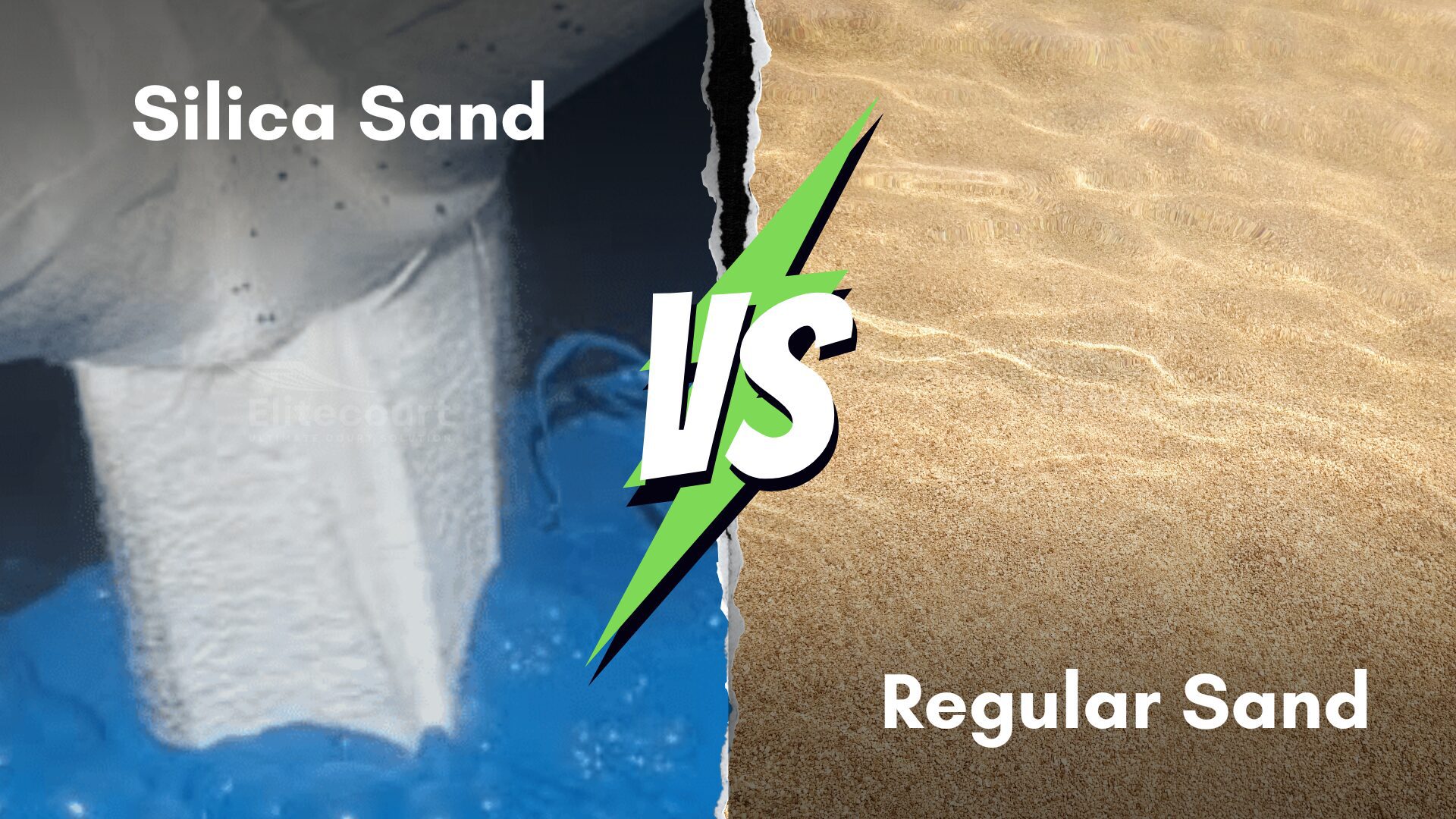
When it comes to comparing silica sand vs regular sand, the primary difference lies in their chemical composition and physical durability. Silica sand is composed almost entirely of quartz (silicon dioxide or SiO2), making it highly durable, uniformly shaped, and resistant to breakdown. Regular sand (often called brown sand or construction sand) contains a mix of various minerals, rocks, and organic matter, making it less uniform, structurally weaker, and prone to breaking down over time.
If you are looking to understand which sand is appropriate for specific industrial, commercial, or athletic applications, understanding these fundamental differences is critical. Below, we break down the chemistry, physical traits, and applications to show exactly why the materials you choose matter.
The Core Difference: Silica Sand vs Regular Sand
To fully grasp the debate of silica sand vs regular sand, we must first look at what makes up each material. While they might look similar to the untrained eye, their differences dictate their specific use cases across various industries.
What is Silica Sand?
Silica sand, also known as industrial sand or quartz sand, is a highly refined material. To be classified as silica sand, the material must contain at least 95% silicon dioxide (SiO2) and less than 0.6% iron oxide. The high quartz content provides exceptional hardness and chemical stability.
Because it resists chemical reactions and physical breakdown, silica sand is the premier choice for manufacturing processes that require absolute precision. As a manufacturer of synthetic acrylic sports court flooring, Elitecourt relies on the predictable nature of highly pure materials to create durable, high-performance surfacing products.
Transform Your Sports Facility Today!
Contact us for high-quality synthetic sports flooring material and elevate your space!
What is Regular Sand?
Regular sand, frequently referred to as field sand, construction sand, or river sand, is an aggregate composed of various elements. While it does contain some silica, it also includes a haphazard mix of feldspar, clay, iron, and other minerals.
This diverse composition means regular sand lacks the uniform structural integrity found in high-purity quartz. It varies wildly in color, shape, and strength depending on exactly where it was mined.
Chemical and Physical Properties Compared
When analyzing silica sand vs regular sand, looking at their chemical and physical traits reveals exactly why one is suited for general use and the other for highly specialized manufacturing.
Composition and Purity
The purity of your raw materials dictates the quality of your finished product. Silica sand offers unmatched purity, ensuring that when it is mixed with binding agents—such as the acrylic polymers we manufacture at Elitecourt—it behaves predictably. Regular sand introduces impurities that can interfere with chemical bonding, leading to a weaker final product.
Shape, Size, and Color
- Color: Silica sand is typically light in color, ranging from pure white to slightly off-white, due to the lack of iron and other impurities. Regular sand can be brown, red, black, or tan.
- Shape: The grains of silica sand are generally more uniform and rounded.
- Size: Silica sand is carefully graded and sorted to ensure tight size tolerances, whereas regular sand has highly inconsistent grain sizes.
Technical Comparison
| Feature | Silica Sand | Regular Sand |
|---|---|---|
| Silicon Dioxide (SiO2) Content | 95% or higher | Highly variable (typically below 80%) |
| Durability & Hardness | Extremely high (Quartz base) | Moderate to low (Mixed minerals) |
| Grain Uniformity | High (Graded and sorted) | Low (Inconsistent) |
| Color Profile | White to off-white | Brown, tan, red, or mixed |
| Best Uses | Industrial manufacturing, acrylic flooring, glass | General construction, landscaping, concrete |
Why Silica Sand is the Standard in Sports Court Construction
When manufacturing synthetic acrylic sports court materials, the aggregate used in the coating system is not just a filler; it is an active component that determines the court’s characteristics.
Enhancing Synthetic Acrylic Flooring
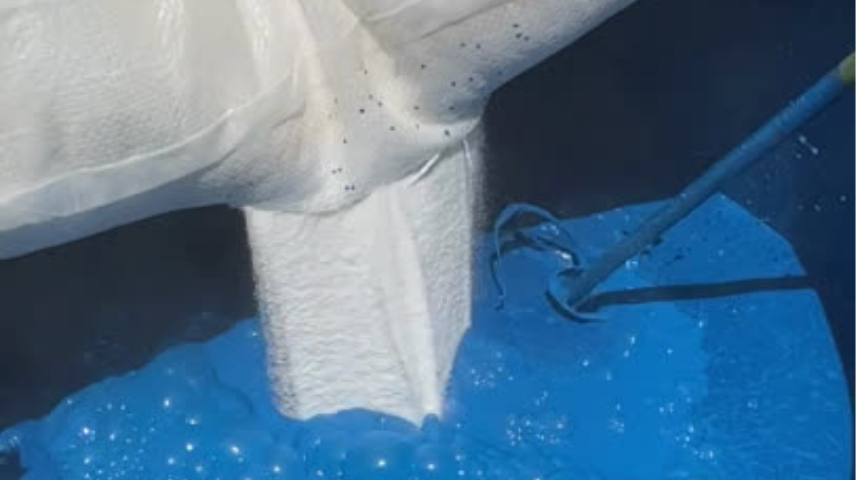
At Elitecourt, we formulate premium acrylic binders that require a high-quality aggregate to function correctly. Silica sand provides the perfect pairing for acrylic resins. Because the grains are hard and uniform, they distribute evenly throughout the coating. This creates a homogeneous mixture that applies smoothly and cures into a resilient surface.
Durability and Performance
Sports courts are subjected to extreme wear and tear. Constant foot traffic, the impact of sports equipment, and harsh weather conditions require a surface that will not degrade. Silica sand does not break down under continuous friction. It maintains its shape, meaning the court’s surface texture remains consistent year after year.
Player Safety and Traction
The uniform nature of silica sand allows for precise control over the court’s texture. This is vital for player safety. The right amount of texture provides necessary grip, preventing slips and falls, while allowing athletes to pivot and slide safely.
Expert Callout: When evaluating synthetic acrylic flooring materials, always verify the type of aggregate intended for the mix. High-quality silica sand ensures predictable bounce and optimal player traction.
Transform Your Sports Facility Today!
Contact us for high-quality synthetic sports flooring material and elevate your space!
The Drawbacks of Using Regular Sand in High-Performance Applications
Using regular sand in specialized applications often leads to premature failure and compromised performance.
Breakdown and Dust Generation
Because regular sand is made of softer minerals, it crushes easily under pressure. In a sports court coating, this means the texture will quickly wear smooth, creating dangerous, slippery spots. As the sand breaks down, it also generates fine dust, which can compromise the integrity of the acrylic binders.
Inconsistent Textures
The varying grain sizes in regular sand make it impossible to achieve a uniform surface. Some areas may end up excessively rough, while others remain slick. This inconsistency ruins the playability of the surface and makes regular sand entirely unsuitable for precision manufacturing.
Silica Sand vs Regular Sand in Various Industries
Beyond sports flooring materials, the silica sand vs regular sand comparison plays out across multiple global industries. Here is a brief look at how different sectors utilize these materials.
Industrial Glass Manufacturing
Silica sand is the primary ingredient in the production of glass. The high purity of SiO2 is required to create clear, strong glass for windows, bottles, and automotive windshields. Regular sand cannot be used here, as the iron and mineral impurities would cause the glass to turn brittle and discolored.
Water Filtration Systems
Municipal and industrial water filtration relies on graded silica sand to remove contaminants. The uniform size and shape of silica grains create a highly effective filter bed that traps particles without degrading over time.
Construction and Landscaping
Regular sand shines in general construction applications. It is the perfect, readily available aggregate for mixing standard concrete, creating mortar, or leveling landscapes. In these scenarios, the extreme purity of silica sand is unnecessary.
How to Choose the Right Material for Your Needs
Selecting the correct aggregate comes down to understanding the demands of your project. If you are mixing concrete for a sidewalk, regular sand will perform perfectly well. However, if you are working with specialized polymers, high-performance coatings, or industrial manufacturing, silica sand is non-negotiable.
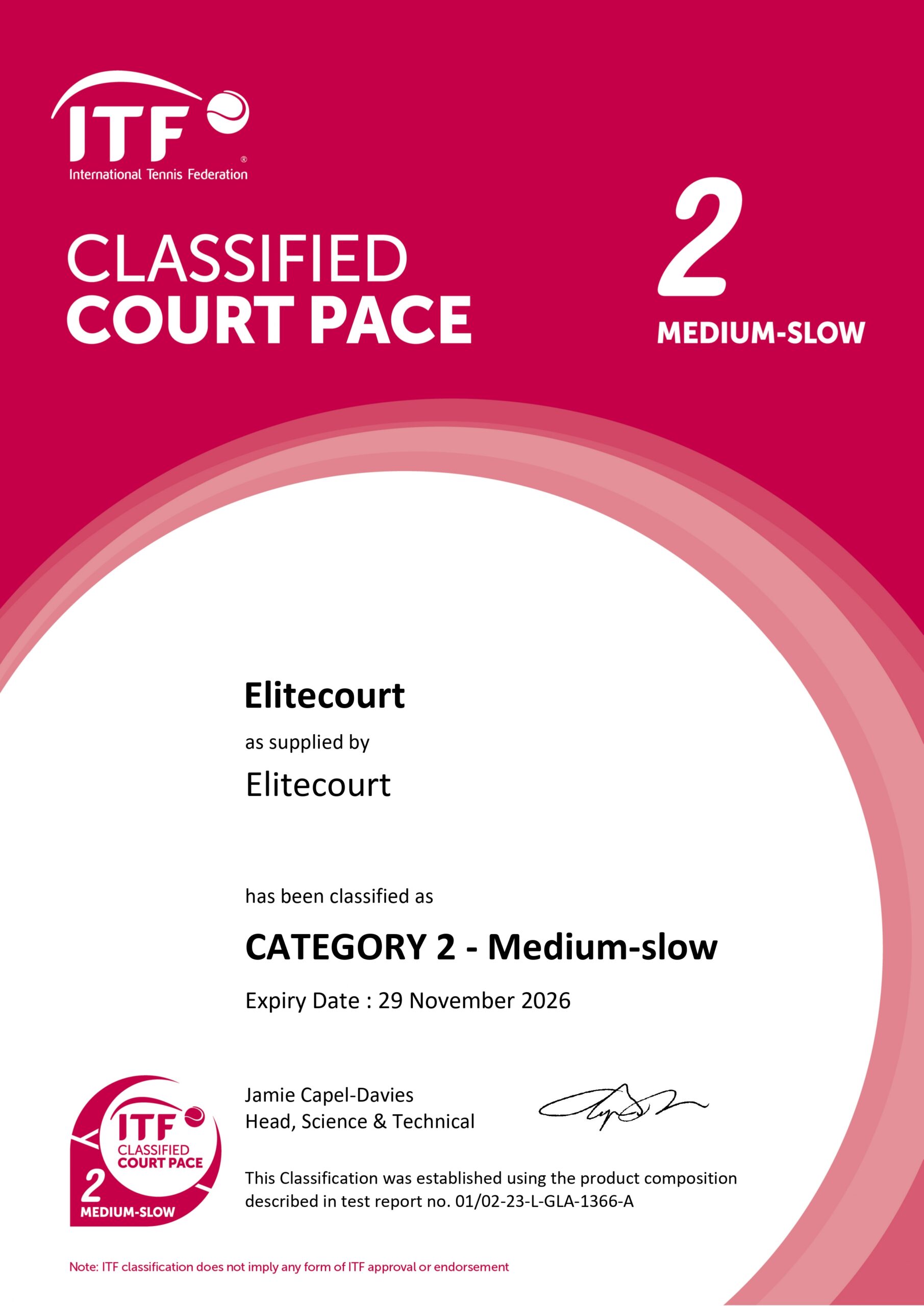
For those involved in specifying or building athletic facilities, relying on materials manufactured with the highest standards ensures long-term success. Adhering to guidelines set forth by organizations like the International Tennis Federation (ITF) highlights the importance of consistent, high-quality surface pace and texture, which can only be achieved using premium silica aggregates.
Transform Your Sports Facility Today!
Contact us for high-quality synthetic sports flooring material and elevate your space!
Frequently Asked Questions (FAQs)
Silica sand consists of over 95% purified quartz (silicon dioxide), making it exceptionally hard and uniform. In contrast, regular sand is a mix of various minerals, clay, and iron, making it structurally weaker and inconsistent in color.
No. Regular sand is not recommended as it lacks the necessary hardness and uniformity. It breaks down quickly, leading to a loss of traction and creating an unsafe playing surface.
Silica sand is naturally light or white because it’s free of mineral impurities and iron oxides found in regular sand. This purity is beneficial for creating brightly colored sports court surfaces without altering the pigment.
Yes, when used appropriately (e.g., in liquid mixtures). However, inhaling fine silica dust can be a health risk, so proper respiratory protection should be worn when handling it dry.
Its extreme hardness prevents it from degrading under the friction of athletic use. This ensures the acrylic coating maintains its texture, strength, and performance for a much longer time compared to softer sands.
Conclusion
Understanding the dynamic of silica sand vs regular sand is paramount when selecting materials for demanding applications. While regular sand has its place in general construction, the superior hardness, chemical purity, and uniform grading of silica sand make it the only acceptable choice for precision manufacturing.
At Elitecourt, our years of experience manufacturing premium synthetic acrylic sports court flooring materials have reinforced our commitment to quality. By formulating our products to work seamlessly with high-grade silica sand, we ensure that the materials we supply to contractors and builders result in world-class, durable, and safe athletic surfaces. When performance and longevity are the goals, the composition of your materials makes all the difference.