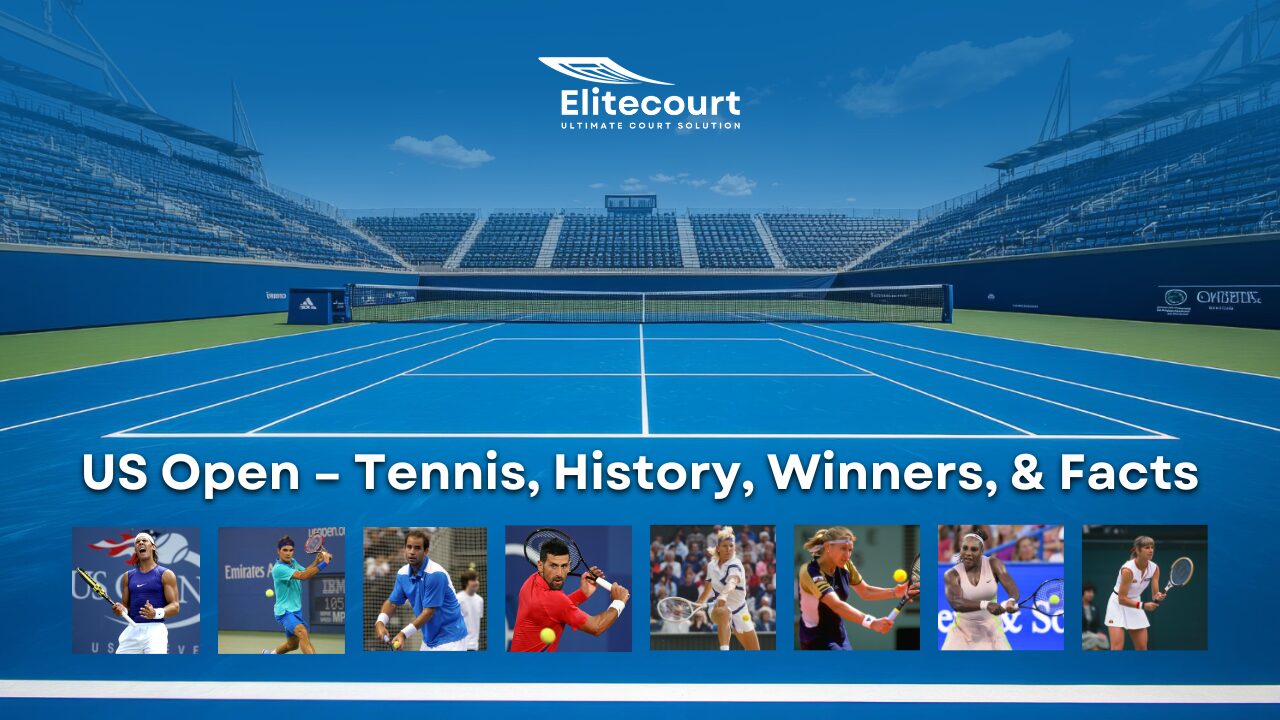
The US Open is one of the four tennis Grand Slam tournaments. It is the final major of the tennis season and is held annually in New York. It is officially known as the United States Open Tennis Championships. The event features men’s and women’s singles, doubles, and mixed doubles matches. It also includes junior and wheelchair competitions.
Played on outdoor acrylic hard courts, the US Open is known for its fast, high-bounce surface. The tournament is famous for its night-session atmosphere and intense, physical matches. Its demanding hard-court base is a true test for players.
From an Elitecourt perspective, the US Open is a benchmark for hard court performance. It blends speed, traction, and durability in a unique way. This balance challenges top professionals while meeting strict standards for safety and consistency.
Many modern tennis academies, clubs, and institutions aim to recreate US Open-style play. They choose ITF-approved synthetic acrylic systems that mirror its pace and ball response.
What Makes the US Open Unique?
The US Open stands out as the only Grand Slam tournament in North America. Players compete on medium-fast acrylic hard courts that offer both speed and high bounce. These conditions reward aggressive baseline play and all-court athleticism.
The tournament’s atmosphere is energetic and urban, reflecting the spirit of New York City. Night sessions, electric crowds, and a modern presentation make it stand out. This entertainment-driven style sets it apart from Wimbledon’s tradition and Roland Garros’s slower clay.
From a surface standpoint, the US Open features a carefully calibrated hard court system. The surface has evolved from grass to clay and then to hard courts. In recent years, it shifted from DecoTurf to Laykold. Despite these changes, it maintains a consistent pace profile for high-intensity professional play.
This evolution aligns with the design principles that Elitecourt champions in synthetic acrylic sports flooring. The focus remains on consistent bounce, controlled traction, and optimised shock absorption. Long-term resilience under heavy use is a defining characteristic of both systems.
The Evolution of the US Open: A Rich History
The journey of the US Open from a private social event to a global spectacle is remarkable. It reflects both tradition and transformation. The tournament’s roots trace back to the manicured grass courts of the Newport Casino in Rhode Island. This setting contrasts sharply with the bustling, electrified atmosphere of today’s Arthur Ashe Stadium. Understanding this evolution reveals not only the tournament’s story but also the broader history of tennis itself.
From Grass to Clay to Hardcourt
The surface beneath a player’s feet is a critical factor in tennis performance. It dictates the game’s speed, the ball’s bounce, and the effective playing style. The US Open stands apart among the Grand Slams for using three different surfaces throughout its history. Each change defined a unique era and shaped the game in distinct ways.
The Grass Court Era (1881–1974)
For nearly a century, the U.S. National Championship was contested on grass. The early tournaments took place at the Newport Casino and later at the West Side Tennis Club in Forest Hills, Queens. Grass remains the fastest surface in tennis, favoring power and precision. It rewards players with strong serves and skillful net play, often known as the “serve-and-volley” style. The low, skidding bounce keeps rallies short and intense. Legends such as Bill Tilden, Jack Kramer, and Pancho Gonzales built their dominance on these lightning-fast courts.
The Clay Court Era (1975–1977)
In a move to unify the tournament and make it more television-friendly, the U.S. Open switched to Har-Tru clay courts for a brief three-year period at the Forest Hills location. Clay is the slowest surface, characterized by a high, slow bounce that nullifies some of the power of big servers and favors baseline players who excel at constructing long, tactical rallies. This shift dramatically changed the nature of the tournament. Jimmy Connors famously won the US Open on both grass and clay, a testament to his incredible versatility. The clay court era lasted briefly and served as a transitional phase before the tournament established its modern identity.
The Hardcourt Era (1978–Present)
The most significant change came in 1978 when the tournament relocated to its current home at the USTA Billie Jean King National Tennis Center in Flushing Meadows, Queens. With this move came the introduction of cushioned acrylic hardcourts. This surface, known as DecoTurf for many years and now Laykold, became the definitive playing field of the US Open. Hardcourts strike a balance between grass and clay, providing a true, consistent bounce and a speed that suits all playing styles. It allows for blistering serves and powerful groundstrokes, but also gives players enough time to set up for shots, leading to a dynamic blend of offensive and defensive tennis. This surface is what defines the modern US Open, demanding a complete, all-around game from its champions.
Key Milestones in US Open History
Landmark moments throughout the tournament’s history shaped its identity and solidified its role in the sport.
- 1881: The first U.S. National Men’s Singles Championship is held at the Newport Casino. Richard Sears wins the inaugural title and goes on to win the first seven championships.
- 1887: The U.S. National Women’s Singles Championship debuts at the Philadelphia Cricket Club. Ellen Hansell is the first champion.
- 1968: The “Open Era” begins. For the first time, professional players are allowed to compete alongside amateurs. Arthur Ashe becomes the first and only African American man to win the singles title, and Virginia Wade takes the women’s crown. This pivotal year democratized the tournament, opening it to the best players in the world, regardless of status.
- 1970: The US Open becomes the first Grand Slam to introduce the tiebreak to decide sets that reach 6-6 in games. This innovation added a new layer of excitement and pressure.
- 1973: In a landmark decision for equality in sports, the US Open becomes the first Grand Slam to award equal prize money to its male and female champions. This was a direct result of advocacy from trailblazers like Billie Jean King.
- 1978: The tournament moves to Flushing Meadows Park, and the playing surface changes to hardcourt. This marks the beginning of the modern US Open era.
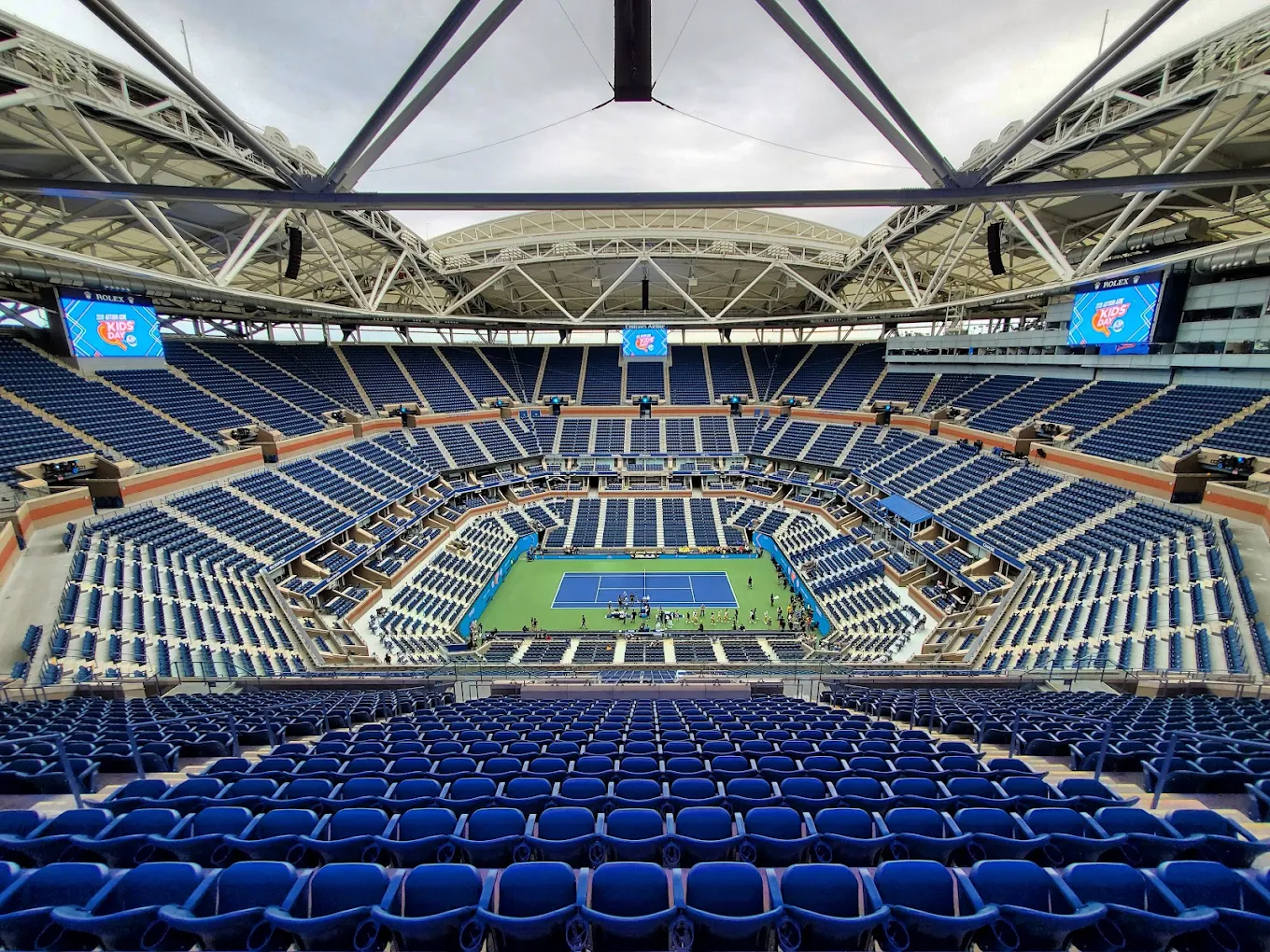
- 1997: Arthur Ashe Stadium opens. With a capacity of over 23,000, it is the largest tennis-specific stadium in the world, a symbol of the tournament’s immense scale and popularity.
- 2006: The USTA rededicates the National Tennis Center as the USTA Billie Jean King National Tennis Center to honor a true pioneer and equality champion.
- 2016: Engineers built a retractable roof over Arthur Ashe Stadium to keep matches going in any weather and remove the rain delays that once disrupted finals.
- 2018: A new Louis Armstrong Stadium, also featuring a retractable roof, opens, further modernizing the facility and enhancing the fan and player experience.
The Heart of US Open: Court Surfaces
The US Open showcases vibrant blue and green courts that tennis fans worldwide instantly recognize. But the court represents more than a playing surface—it embodies a precisely engineered system that delivers performance, consistency, and safety for elite athletes. The choice of an acrylic hardcourt system is central to the identity of the tournament, ensuring every rally unfolds on a surface that rewards precision and power.
Understanding the US Open Court Surface
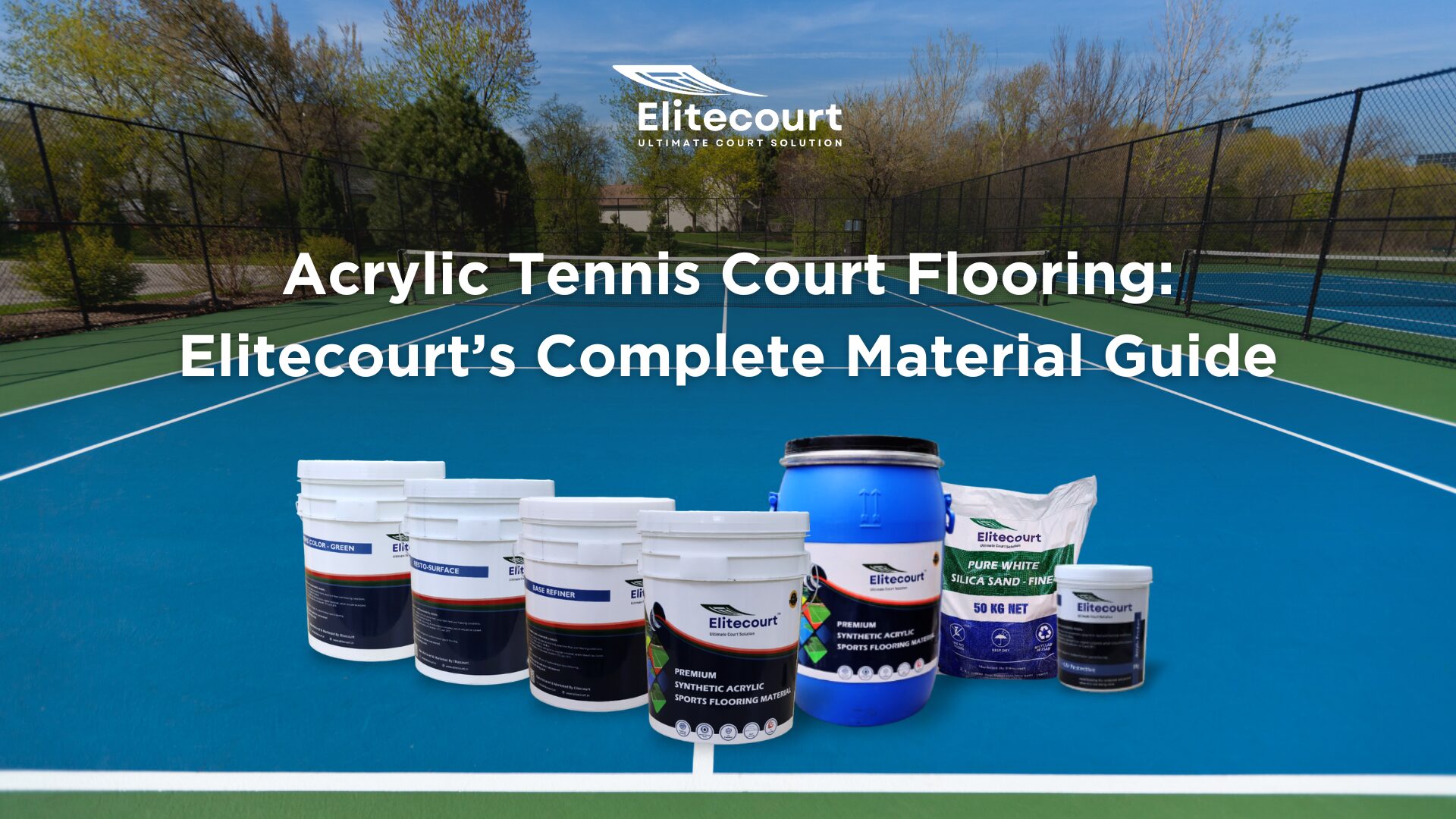
The courts at the USTA Billie Jean King National Tennis Center use a multi-layered cushioned acrylic system installed over an asphalt or concrete base. Since 2020, this has been the Laykold surface, an acrylic-topped solution that spans the 22 main courts plus practice areas in Flushing Meadows. This is not simply a layer of paint; it is a sophisticated synthetic acrylic sports court flooring solution designed to meet exacting standards for professional play.
Elitecourt’s premium materials align perfectly with these demands. Our systems replicate the US Open‘s reliability, providing the same level of predictability and durability that elite players rely on during high-stakes matches. Weather-resistant and UV-stable, they bond seamlessly to maintain a true bounce even under intense tournament conditions.
What sets this surface apart is its medium-fast pace, classified under ITF Category 4, which balances speed and grip to suit modern baseline aggressors. Players experience consistent ball rebound—typically 85-90% energy return—while cushioned layers absorb shock, minimizing fatigue over grueling five-set epics. This engineering allows for aggressive slides and topspin without excessive slipperiness, a hallmark of US Open tennis.
The Layers of a Championship Court
Building a US Open-caliber court demands meticulous layering, much like Elitecourt’s 7-9 layer systems. Each component serves a precise function, from foundational stability to the final textured finish. Here’s how it breaks down:
Concrete/Asphalt Base
The foundation of the court. It must be perfectly flat and stable—within 1/8 inch over 10 feet—to ensure a true playing surface free of irregularities. Elitecourt’s Base Refiner and Concrete Primer prepare this layer flawlessly, preventing cracks and promoting adhesion for long-term performance.
Acrylic Resurfacer
This initial acrylic layer fills voids, seals the base, and creates a smooth, uniform texture for subsequent coats to bond to. Often applied in multiple passes with fine silica sand, it eliminates imperfections and sets the stage for cushioning. At the US Open, this step ensures no dead spots disrupt rallies. Elitecourt’s Acrylic Resurfacer mirrors this, delivering a glass-like smoothness ideal for professional replication.
Cushion Layers
This is the critical component for player comfort and safety. Technicians apply several layers of rubber-filled acrylic—such as Pro Master Cushion in Elitecourt systems—to enhance shock absorption and reduce impact forces on ankles, knees, and hips by up to 30%. During the US Open‘s two-week marathon, this cushioning controls pace (faster with less rubber, slower with more) and protects joints from eccentric loads. Adjustable thickness allows customization, making it versatile for various skill levels while maintaining tournament-grade consistency.
Texture and Color Layers
Two to three layers of colored, textured acrylic topcoats follow, with a specific grade of silica sand mixed in to determine court speed and spin potential. The iconic “US Open Blue” (outer courts) and “US Open Green” (main show courts) provide optimal contrast against the yellow tennis ball, aiding players, officials, and TV viewers. Elitecourt’s UV-Resistant Acrylic Colors offer these vibrant hues plus custom shades, resisting fade from sun exposure or heavy play—essential for night sessions under Flushing’s floodlights.
Line Paint
Finally, crisp, white acrylic lines are painted to the exact specifications set by the International Tennis Federation (ITF)—2 inches wide for singles, 4 inches for doubles, with precise markings for service boxes and baselines. Elitecourt’s White Line Marking acrylic ensures durable, high-visibility lines that withstand abrasion, keeping courts sharp throughout extended use.
Expert Tip from Elitecourt: For US Open-style traction, opt for our finer silica sand grades in texture layers—they enhance grip for controlled slides without altering pace, perfect for replicating pro-level footwork.
This layered approach not only defines the US Open‘s on-court action but also underscores why synthetic acrylic flooring dominates professional hard courts. It transforms a simple slab into a dynamic arena where records are set and legends emerge, all while prioritizing player longevity. Facilities worldwide can achieve similar excellence with Elitecourt’s proven materials, bringing Grand Slam quality to local tennis.
Transform Your Sports Facility Today!
Contact us for high-quality synthetic sports flooring material and elevate your space!
Why is an Acrylic Hardcourt Ideal for the US Open?
The choice of an acrylic hardcourt system offers a unique combination of benefits that make it perfectly suited for a tournament of the US Open’s stature.
| Feature | Benefit for the US Open |
|---|---|
| Consistent Ball Bounce | Provides a true and predictable bounce, rewarding precise shot-making and timing. Unlike natural surfaces like grass or clay, it has very few irregularities. |
| Pace of Play | The medium-fast pace allows for a wide variety of playing styles to succeed. It rewards powerful serves and groundstrokes but also gives players time to engage in tactical rallies. |
| Durability and Maintenance | Acrylic surfaces are exceptionally durable and can withstand the heavy foot traffic and intense play of a two-week tournament. They are also easy to clean and maintain, ensuring a consistent look and feel across all courts. |
| All-Weather Performance | Hardcourts dry much faster than clay or grass courts after rain, which is a crucial factor in keeping a tight tournament schedule on track. The addition of retractable roofs has further enhanced this benefit. |
| Player and Spectator Visibility | The vibrant, non-glare colors were specifically chosen to make the ball stand out. This is a significant advantage for players tracking the ball at high speeds and for millions of fans watching in the stadium and on television. |
The surface at the US Open is a testament to the science of sports flooring. It’s a surface that demands athleticism, skill, and intelligence, crowning champions who possess a complete game.
Transform Your Sports Facility Today!
Contact us for high-quality synthetic sports flooring material and elevate your space!
What Makes US Open Courts Different from Other Grand Slam Surfaces?
The four Grand Slams are played on three different surfaces, each presenting a unique challenge.
- Australian Open (Hardcourt): Like the US Open, the Australian Open is played on a cushioned acrylic hardcourt. However, the specific brand and formulation of the surface can lead to slight differences in pace and bounce. Historically, the Australian Open courts have sometimes been rated as slightly slower than those at the US Open, encouraging longer rallies.
- French Open (Clay): The French Open is played on crushed brick, shale, and limestone, known as red clay. This is the slowest of all surfaces, resulting in a high ball bounce. It favors endurance athletes and baseline strategists who can patiently construct points. Power is less of a factor, while spin and stamina are paramount.
- Wimbledon (Grass): Wimbledon is the only Grand Slam still played on natural grass. It is the fastest surface, producing a low, skidding bounce that favors aggressive, serve-and-volley players. Rallies are typically shorter, and the surface demands quick reactions and a strong net game.
The US Open’s hardcourts sit in the “sweet spot” of tennis surfaces. They are the great equalizer, a neutral ground where players from all backgrounds—clay-court grinders, grass-court attackers, and all-court prodigies—can compete on relatively even terms. This is a key reason why the US Open often produces such unpredictable and exciting matches.
Legends of the Open: The Champions
The list of US Open champions is a who’s who of tennis royalty. Winning in New York, under the bright lights of Arthur Ashe Stadium, is a career-defining achievement. The demanding nature of the hardcourts and the electric atmosphere of the event mean that only the most mentally tough and physically gifted athletes emerge victorious.
The Most Dominant Champions of the Open Era
Since 1968, a select group of players has dominated the US Open, winning the title multiple times and etching their names into the history books.
Men’s Singles Champions
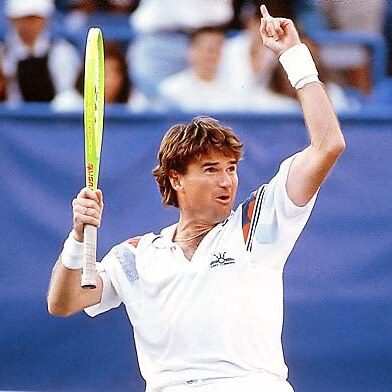
Jimmy Connors (5 Titles)
A fiery and relentless competitor, Connors is the only man to have won the US Open on all three surfaces (grass in 1974, clay in 1976, and hardcourt in 1978, 1982, 1983). His incredible adaptability and fighting spirit defined an era.
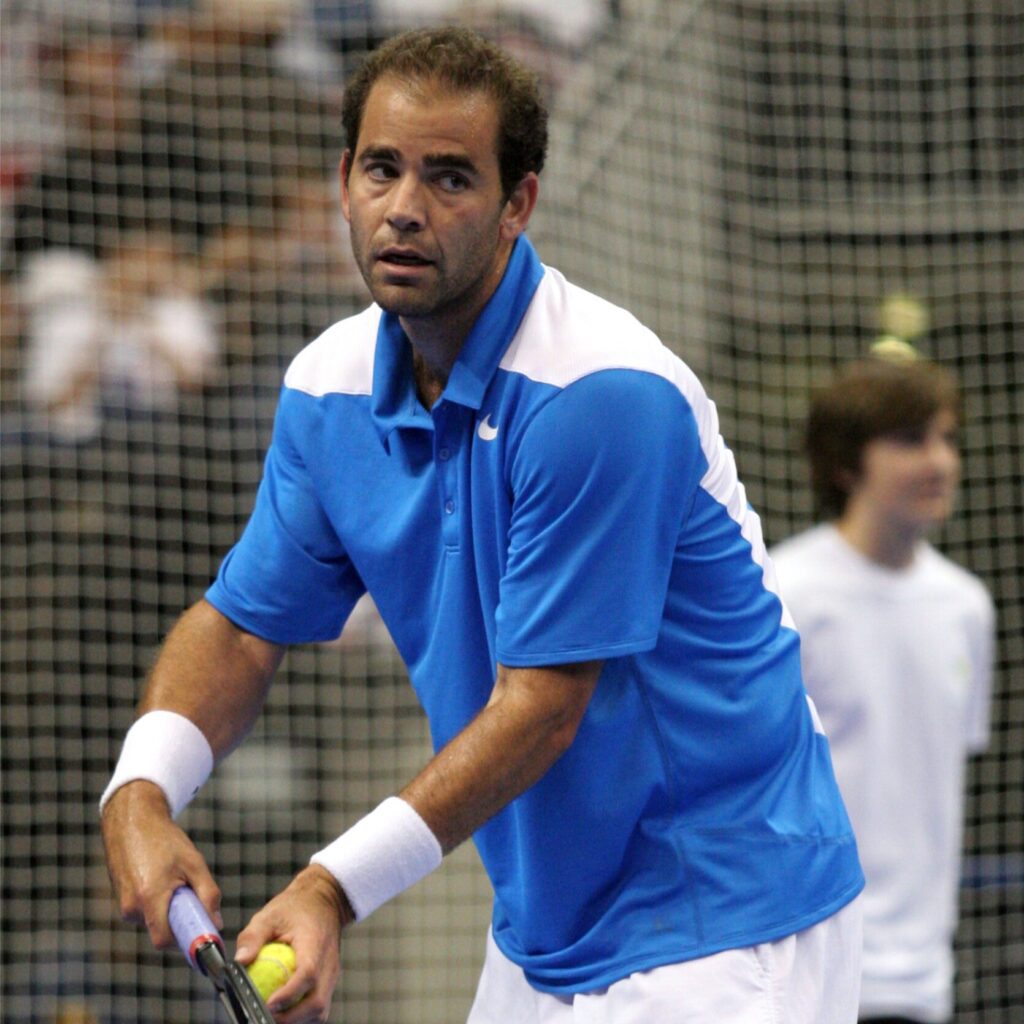
Pete Sampras (5 Titles)
“Pistol Pete” was the king of ’90s tennis. His powerful serve and classic, fluid game were perfectly suited to the fast hardcourts of Flushing Meadows. His rivalry with Andre Agassi produced some of the most memorable matches in the tournament’s history.
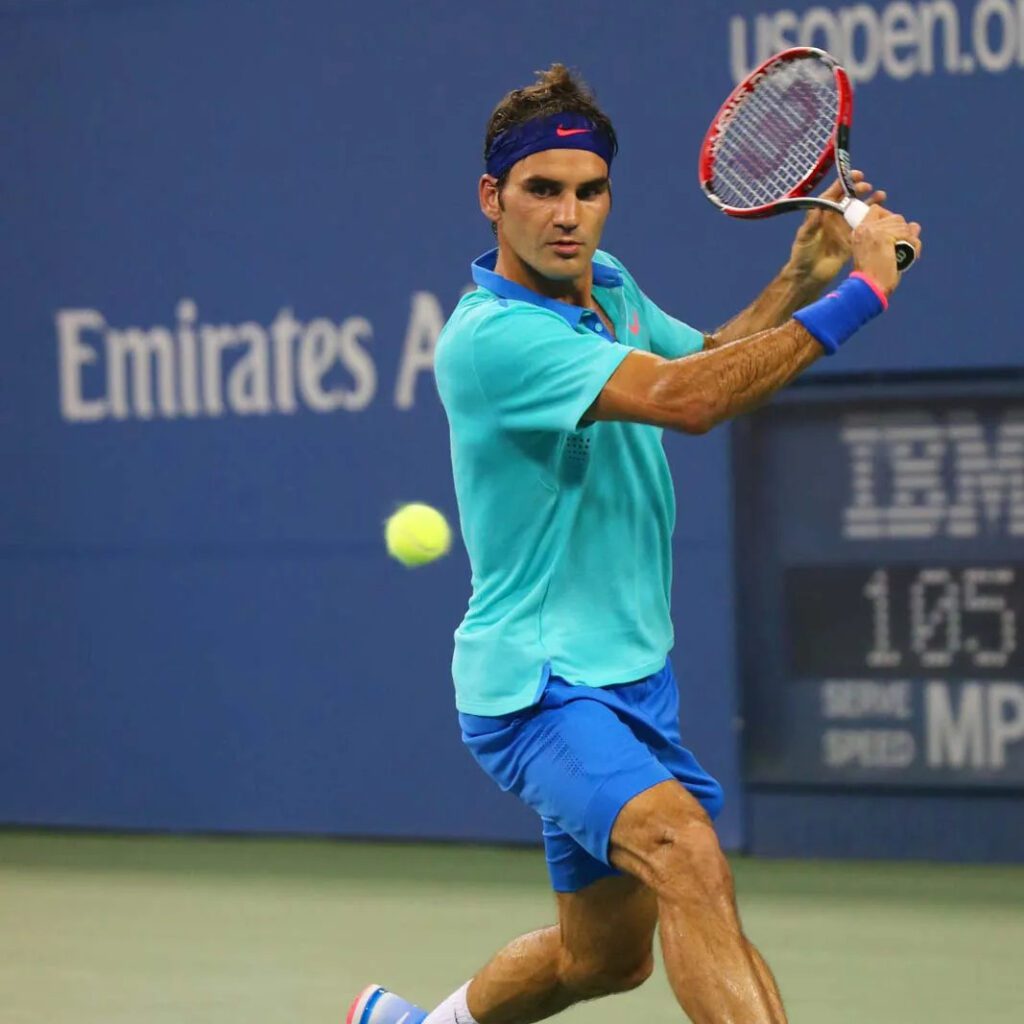
Roger Federer (5 Titles)
The Swiss maestro went on an incredible run, winning five consecutive titles from 2004 to 2008. His elegant, all-court game was a sight to behold, and his dominance during this period was absolute. No other man in the Open Era has won five straight US Open crowns.
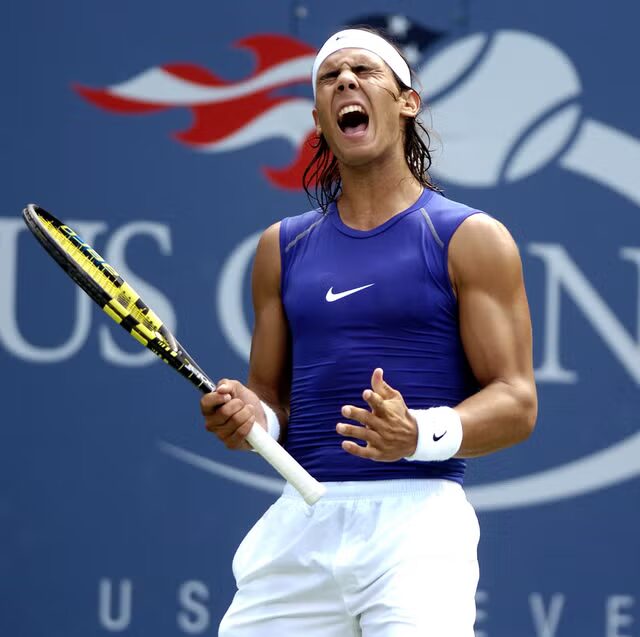
Rafael Nadal (4 Titles)
While known as the “King of Clay,” Nadal has proven his greatness on all surfaces. He adapted his game to succeed on the hardcourts, using his incredible topspin and defensive skills to wear down opponents.
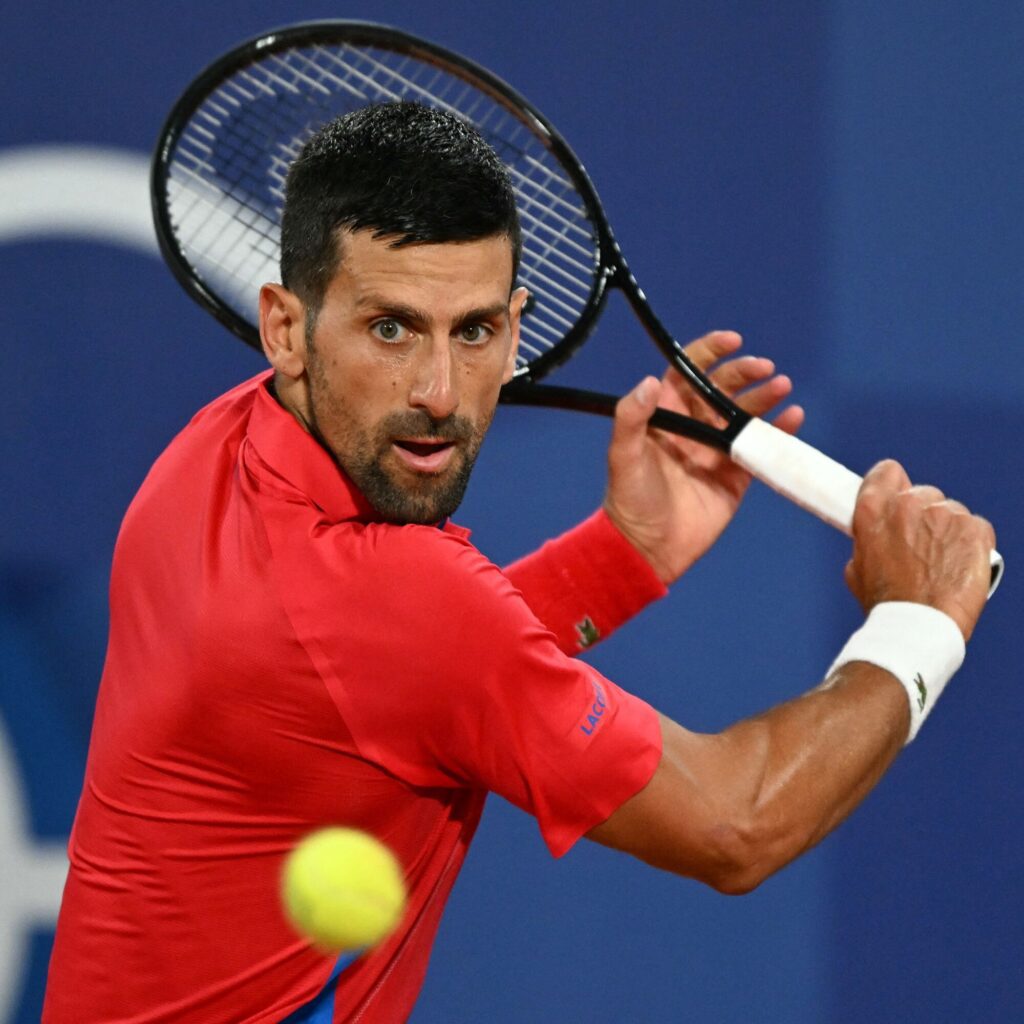
Novak Djokovic (4 Titles)
A master of the hardcourt, Djokovic’s superb return of serve, flexibility, and baseline consistency make him exceptionally difficult to beat in New York. His mental fortitude in high-pressure moments has led him to multiple titles.
Women’s Singles Champions
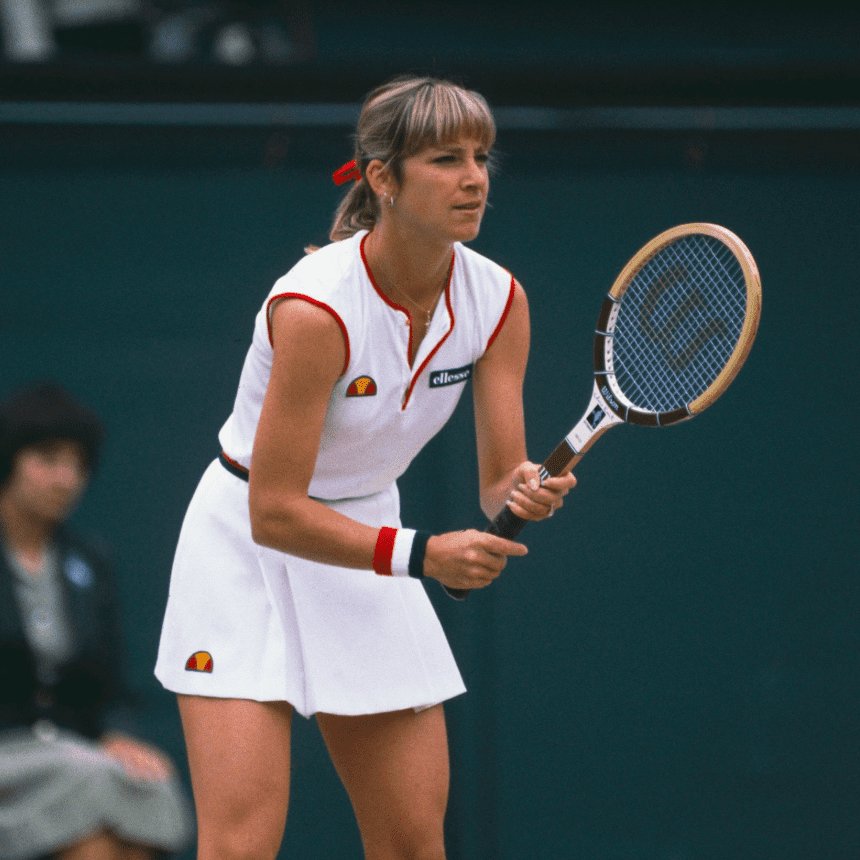
Chris Evert (6 Titles)
With a calm demeanor and a metronomically consistent two-handed backhand, Evert was a dominant force. Like Connors, she won the title on both clay (1975-77) and hardcourt (1978, 1980, 1982), showcasing her remarkable versatility.
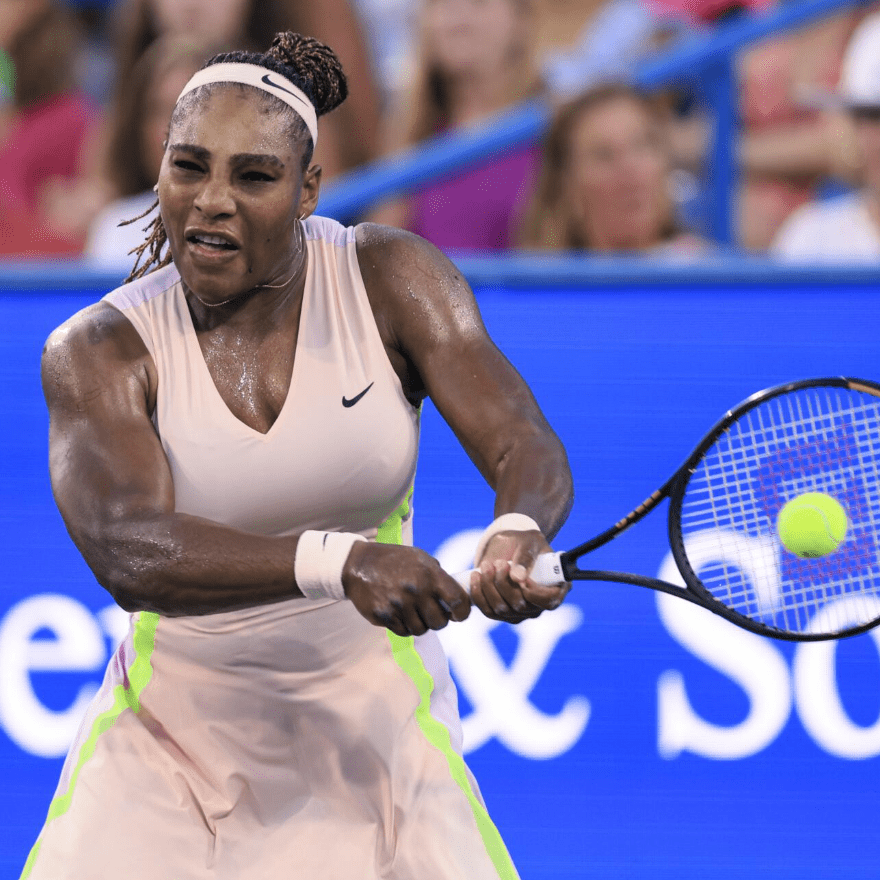
Serena Williams (6 Titles)
Arguably the greatest female tennis player of all time, Serena’s reign at the US Open has spanned decades. Her first title came in 1999 and her last in 2014. Her combination of overwhelming power, a formidable serve, and an unshakeable will to win made her nearly unbeatable at her peak.
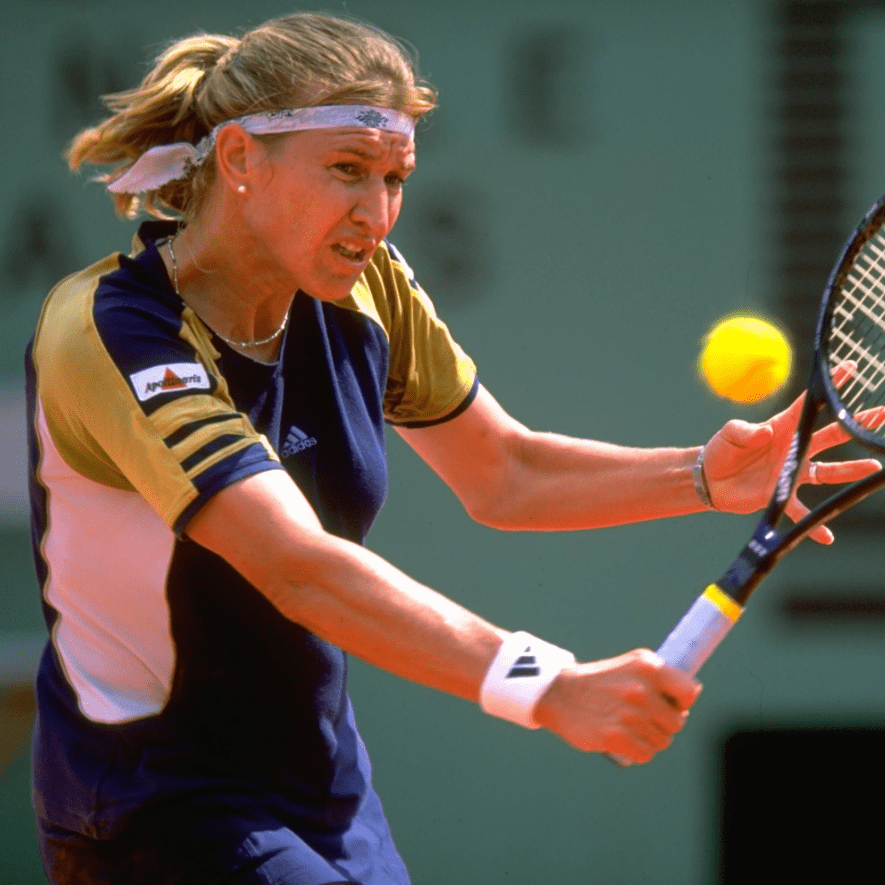
Steffi Graf (5 Titles)
The German superstar’s powerful forehand and incredible athleticism were on full display at the US Open. In 1988, she completed the “Golden Slam”—winning all four Grand Slams and the Olympic gold medal in the same year—a feat that remains unmatched in singles tennis.
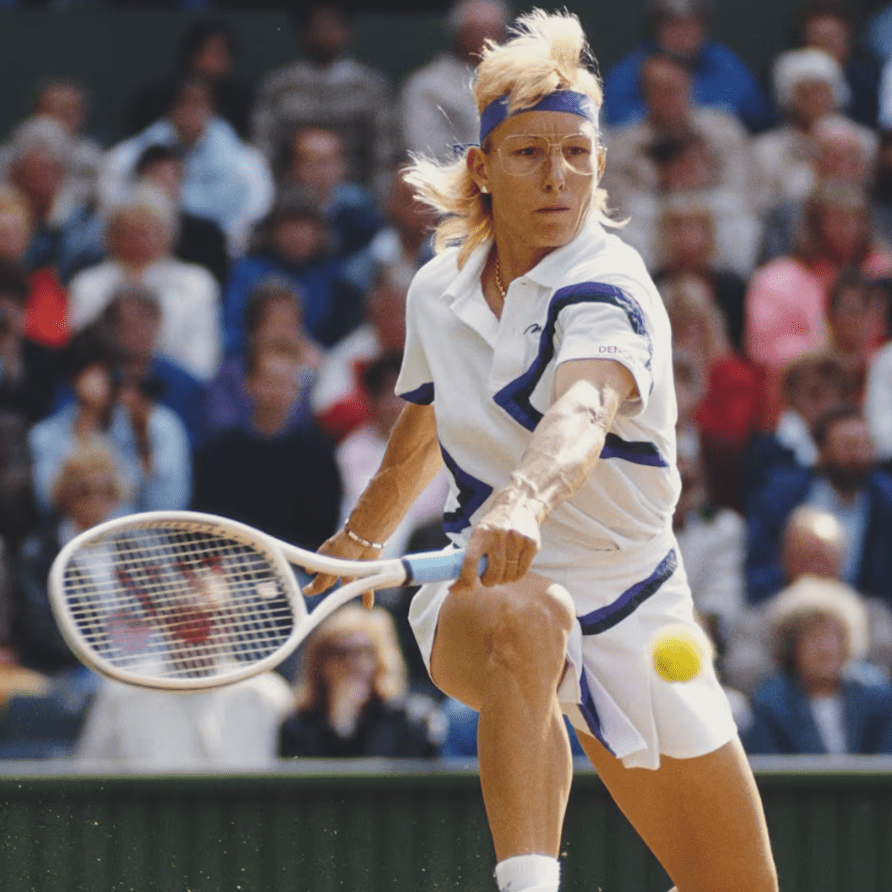
Martina Navratilova (4 Titles)
A pioneer of the serve-and-volley style in women’s tennis, Navratilova’s aggressive, all-court game brought her great success in New York during the 1980s.
US Open Facts and Records
The US Open has a history filled with incredible statistics and memorable trivia. Here are a few notable records and facts:
Tournament Records
- Most Singles Titles (All-Time): Bill Tilden, William Larned, and Richard Sears all hold the men’s record with 7 titles from the pre-Open Era. Molla Mallory holds the women’s record with 8.
- Most Singles Titles (Open Era): Jimmy Connors, Pete Sampras, and Roger Federer share the men’s record with 5 titles. Chris Evert and Serena Williams share the women’s record with 6.
- Youngest Men’s Singles Champion: Pete Sampras (1990) at 19 years and 1 month.
- Youngest Women’s Singles Champion: Tracy Austin (1979) at 16 years and 8 months.
- Oldest Men’s Singles Champion: Ken Rosewall (1970) at 35 years and 10 months.
- Oldest Women’s Singles Champion: Molla Mallory (1926) at 42 years and 5 months.
- Longest Match (Time): The longest match in US Open history took place in the 1992 semifinals between Stefan Edberg and Michael Chang, lasting 5 hours and 26 minutes.
Fun Facts
- The Official Colors: The iconic court colors are “US Open Blue” for the inner court and “US Open Green” for the outer court. This color scheme was implemented in 2005 to improve visibility of the ball on television.
- The Hawk-Eye System: The US Open was the first Grand Slam to introduce the electronic line-calling system, Hawk-Eye, on its show courts in 2006, allowing players to challenge close line calls.
- Tennis Ball Usage: Over the course of the tournament, more than 100,000 tennis balls are used.
- A Global Event: The tournament is broadcast in over 200 countries and territories, reaching a massive global audience.
Why the US Open Surface Matters for Your Facility
Many decision-makers at clubs, schools, and academies look to the US Open when choosing a tennis court surface profile. The tournament represents a benchmark for high-performance hard-court play, showing how acrylic systems can support explosive tennis without compromising on consistency or visibility.
Elitecourt’s synthetic acrylic flooring allows facilities to harness similar principles:
- Configure court pace within ITF-style ranges suitable for training or competition.
- Provide traction patterns that support aggressive movement while protecting players from unnecessary slips.
- Ensure colour combinations and line clarity that align with professional references, aiding both players and spectators.
By aligning surface choices with US Open-style characteristics, facilities can create courts that are both aspirational and practical, encouraging players to train with the same intensity and tactical variety seen at one of the sport’s most important events.
How Elitecourt connects with US Open standards
Elitecourt, as a synthetic acrylic sports court flooring manufacturer, aligns closely with the performance expectations that define the US Open surface:
- Focus on high‑quality acrylic resins designed for sports applications and multi‑layer systems.
- Emphasis on consistent ball response and predictable traction, critical at hard‑court events like the US Open.
- Understanding of ITF speed classifications and how acrylic formulations affect CPR, friction, and energy restitution.
- Commitment to durability, color stability, and all‑weather performance—key elements in a two‑week slam that runs matches from day into night.
By taking cues from tournaments like the US Open, Elitecourt refines its products to support modern baseline‑oriented, athletic tennis, while still allowing flexibility for schools, clubs, academies, and institutions to define their preferred play characteristics.
Transform Your Sports Facility Today!
Contact us for high-quality synthetic sports flooring material and elevate your space!
The Future of the US Open
The US Open has never been a tournament to rest on its laurels. It is constantly innovating to improve the experience for players and fans. The recent additions of retractable roofs on its two main stadiums are a prime example of this forward-thinking approach. Future developments will likely focus on enhancing the digital fan experience, implementing new technologies to aid players and officials, and continuing to promote the tournament’s global reach.
As the science of sports surfaces continues to evolve, the courts themselves will remain a key area of focus. Manufacturers of acrylic court systems are continually researching ways to improve player safety through enhanced shock absorption, while maintaining the consistent bounce and pace that define championship-level hardcourt tennis. The goal is to create surfaces that not only test the skill of the world’s best but also help to prolong their careers by reducing physical strain. For more information on court standards, you can visit the International Tennis Federation website.
The US Open will continue to be a reflection of the times—dynamic, innovative, and always exciting. It is the grand finale of the tennis season, a place where history is made, and where the world comes to witness greatness on the iconic blue courts of New York.
Frequently Asked Questions (FAQs)
The US Open is played on a cushioned acrylic hardcourt made of multiple layers over a concrete or asphalt base. This surface provides consistent ball bounce and a medium-fast pace suitable for all playing styles.
In 1978, the tournament switched from green clay to hardcourts when it moved to the USTA National Tennis Center. Hardcourts offered better durability, faster drying after rain, and a truer bounce, enhancing the viewing experience and commercial appeal.
In the Open Era, Jimmy Connors, Pete Sampras, and Roger Federer hold the men’s record with five titles each, while Chris Evert and Serena Williams lead the women with six titles each.
Night matches in Arthur Ashe Stadium feature a lively New York crowd, cooler evening air, and an electric atmosphere, offering a unique experience unlike other Grand Slams.
Court speed is controlled by the amount and grade of silica sand mixed into the final acrylic layers, which affects surface friction, ball bounce, and pace.